
Fire Damage Property
Updated: Mar 5, 2025
10 Tips For Getting The Best Price For Your Fire Damage Property
Selling a fire damage property can be challenging, but you can maximize its value with the right approach.
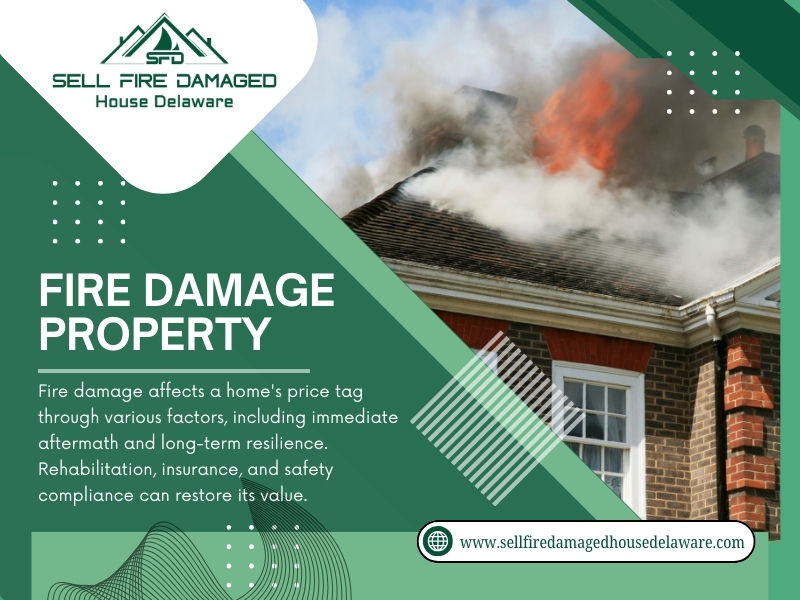
Whether you’re an investor or a homeowner looking to sell, understanding how to navigate the process is key to getting the best price.
In this guide, we'll share essential tips on how to get the most out of your fire-damaged property, from repair considerations to marketing strategies.
1. Assess The Damage Thoroughly
Before you do anything, it's important to assess the damage carefully. This means checking for structural damage and fire and smoke damage to walls, floors, ceilings, plumbing, and electrical systems.
Also, don’t forget to look for hidden issues like mold or water damage caused by firefighting efforts.
A detailed understanding of the damage will help you communicate effectively with potential buyers and professionals, allowing you to set a reasonable price.
2. Consult A Professional Inspector
Hire a home fire damage repair or restoration expert or an inspector to evaluate the property. An expert can give you a detailed report on the extent of the damage, which can help you negotiate with potential buyers.
They can also advise on whether the property is structurally safe and what repairs are necessary to bring it up to code. This report can be a valuable tool when justifying your asking price.
3. Get Repair Estimates
Even if you’re not planning to make all the repairs yourself, getting contractor repair estimates can be helpful.
This allows you to understand the full cost of repairing the property and decide if it's worth investing in repairs before selling.
If you plan on making repairs, getting quotes will help you set a reasonable price reflecting the value added by those repairs.
4. Make Key Repairs To Boost Value
Not all repairs are necessary, but some can significantly increase the property’s value. For instance, repairing structural damage to the foundation, roof, or walls may be critical for safety reasons, and fixing plumbing or electrical issues can make the property more livable.
You should also clean up any visible fire and smoke damage, including repainting walls or replacing burned-out fixtures.
By making these key repairs, you can increase the property’s appeal to buyers and command a higher price.
5. Consider Selling As-Is
If you're not interested in making repairs, you can sell your property "as-is." Sometimes, selling as-is might be the best option, especially if you’re not financially able to make repairs.
Investors or cash buyers often look for properties needing repair and may be willing to purchase your property quickly.
While you may get a lower price than if you repaired the property, selling as-is could allow you to move forward faster.
6. Disclose The Damage Upfront
Honesty is key when selling a fire-damaged property. Always disclose the fire damage upfront to potential buyers. Not only is this the right thing to do legally, but it also helps to build trust with buyers.
Being transparent about the extent of the damage can prevent misunderstandings later in the process and may make buyers more likely to pay a fair price for the property.
7. Work With A Real Estate Agent
Not all real estate agents are familiar with selling or buying a house after fire damage, so it's essential to work with someone with experience in this area.
An agent specializing in distressed properties can help you market the property effectively, identify the right buyers, and negotiate a fair price.
Depending on market conditions and goals, they can advise you on whether to sell as-is or make repairs first.
8. Market The Property To The Right Buyers
When marketing your fire-damaged property, target the right type of buyers. Investors, rehabbers, and people looking for fixer-uppers are often interested in properties with fire damage because they have the resources to make repairs.
You can list the property on platforms that cater to these types of buyers or work with an agent who knows how to market it to the right crowd.
Highlighting the property's potential rather than focusing on the damage can attract buyers who see its value despite the fire damage.
9. Price Competitively Based On Market Conditions
Setting the right price for your property is crucial. Fire-damaged properties will typically sell for less than similar homes in good condition, but the price should still reflect the property’s potential.
Consider the local real estate market conditions and prices for comparable homes. If you’ve made repairs, you can price your property higher, but if it still needs work, make sure the price reflects the current state of the property.
10. Consider Selling To A Cash Buyer
Selling to a cash buyer or an investor can often be the quickest and easiest option when dealing with fire damage.
Cash buyers are typically investors or companies specializing in homes in poor condition and can close the deal faster than traditional buyers.
They may be willing to buy your property without needing a lengthy inspection or appraisal process, which can be a huge advantage if you're looking to sell quickly.
However, be prepared that cash buyers may offer less than what you could get from a traditional buyer, especially if significant repairs are needed.
Conclusion
Selling a fire-damaged property doesn’t mean you have to accept a low price. By assessing the damage, consulting professionals, and making smart decisions about repairs, you can still get a fair price for your property.
Whether you sell as-is or invest in repairs, the key is to be informed, honest, and work with the right experts.
With these tips, you’ll be on your way to getting the best price for your fire-damaged property and moving on to the next chapter in your life.
Comments